

In the dynamic field of architecture and design, the value of daylight cannot be overstated. As society progressively focuses on sustainability and energy efficiency, understanding how natural light influences our built environment becomes vital for modern architects. Daylight analysis acts as a potent tool, allowing designers to tap into the gains of sunlight, increase occupant well-being, and reduce reliance on artificial lighting. This article examines the different facets of daylight analysis, presenting insights into its applications, methodologies, and the most recent advancements in technology.
Ranging from optimizing energy performance in commercial buildings to improving the biophilic aspects of design, daylight analysis plays a significant role in crafting architecturally sophisticated environments. Concepts such as daylight factor, spatial daylight autonomy, and climate-based daylight modeling are fundamental to designing spaces that are not only functional but also supportive to health and productivity. As we dive deeper into the subtleties of daylight analysis, we will uncover how this approach informs building massing, window-to-wall ratios, and even aids in achieving sustainability certifications like LEED. Through this thorough guide, architects will gain a better understanding of embedding daylight analysis into their design processes, ultimately creating better spaces for future generations.
Value of Daylight Evaluation in Architectural Planning
Daylight analysis is a key factor in contemporary building design, as it immediately affects the design process and the efficiency of buildings. Natural light is not just a desirable attribute; it enhances the perception of space for the occupants. By assessing natural light access, architects can create spaces that not only are aesthetically pleasing but also enhance well-being and productivity. This analysis assures that buildings make the most of natural lighting, reducing the dependence on artificial lighting and subsequently lowering utility expenses.
Incorporating daylight analysis at the outset in the design process enables architects to improve building configurations, window placements, and facade orientations. Daylight Analysis Yeovil Somerset helps create a harmonious balance between daylight access and thermal performance. Architects can make use of modeling tools to evaluate how different design choices impact daylight distribution, enabling them to perfect their projects for optimal effect. As a result, evaluating daylight leads to more effective use of energy in commercial buildings while ensuring environments remain welcoming and practical.
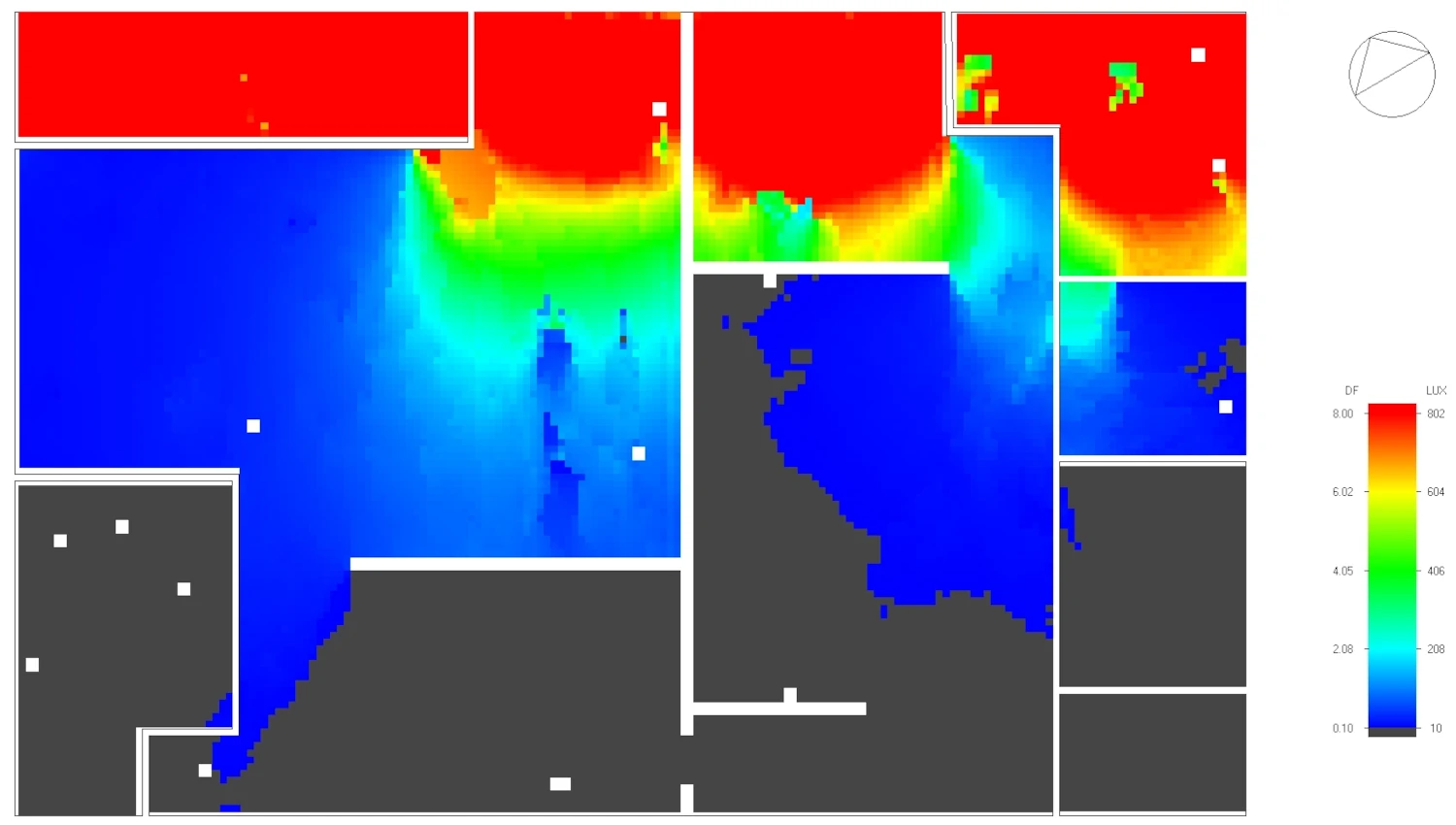
Furthermore, daylight analysis plays a significant role in securing green building ratings like LEED. By comprehending factors such as daylight factor, spatial daylight autonomy, and usable daylight, architects can exhibit their dedication to environmental responsibility. This not only assists in complying with regulations but also improves the marketability and worth of the building, attractive to environmentally conscious clients and users. Through these efforts, daylight analysis becomes an essential part of sustainable architectural design.
Methods and Tools for Natural Light Assessment
Daylight evaluation in architecture employs various techniques that help quantify and optimize daylight within building designs. One common method is the use of daylight factor calculations, which evaluate the ratio of indoor light to outdoor light under cloudy sky conditions. This approach is particularly beneficial for assessing areas where reliable natural light is critical. Additionally, spatial daylight autonomy analyzes the daylight exposure of specific areas within a structure over a specified period, helping architects understand how individual design choices impact light distribution throughout the 24-hour cycle and annual cycle.
To support these methods, numerous software programs are available that enable comprehensive daylight analysis. Among the most widely used are SunCalc, ClimateStudio, and Grasshopper. Radiance is notable for its precision in modeling daylight conditions and has been a standard in architectural design for years. Climate Analysis integrates environmental data to provide context-specific daylight analyses, while Insight offers accessible interfaces within BIM environments, making it more straightforward for designers to represent and adjust daylight conditions early in the design process. Each tool has its strengths, making it essential for architects to choose based on the needs of the project.
Incorporating daylight simulations into the design workflow can significantly enhance architectural outcomes. By evaluating factors such as brightness, thermal comfort, and light distribution, designers can make informed decisions that improve both aesthetic appeal and energy efficiency. Assessing sunlight exposure not only aids in meeting sustainability goals but also benefits to occupant comfort by creating healthier living and working environments. Effective daylight analysis serves as a crucial component for effective architectural design, allowing for the enhancement of natural light in a way that aligns with the broader vision of the project.
Financial and Environmental Advantages of Daylight Utilization
The integration of daylight utilization in building design provides substantial monetary advantages that enhance the feasibility of commercial and housing developments. By enhancing the use of daylight, structures can reduce their reliance on artificial lighting, leading to substantial cuts on energy bills. Daylight Analysis Nailsea Somerset have indicated that carefully planned daylighting not only reduces operational costs but also improves tenant satisfaction, which can reduce employee turnover in commercial spaces. This economic benefit becomes increasingly attractive when considering the sustained return on investment related to energy-efficient design.
From an ecological perspective, natural light utilization plays a vital role in reducing a building's environmental impact. By reducing the need for artificial lighting and lowering electricity use, natural lighting strategies contribute to lower carbon emissions linked to electricity generation. Furthermore, the use of natural light fosters a more conducive indoor space, decreasing the need for man-made climate control mechanisms that use additional electricity. As companies and individuals become more conscious of their environmental impact, the embracing of daylight utilization techniques matches broader eco-friendly objectives.
Integrating daylight studies throughout the planning process also opens opportunities for achieving sustainable building certifications such as LEED and Building Research Establishment Environmental Assessment Method. These standards encourage architects to prioritize daylight as a key aspect of sustainable design. By adhering to these guidelines, architects not only meet regulatory standards but also promote their buildings as green, attracting eco-conscious clients and stakeholders. This convergence of financial motivations with ecological responsibility underscores the essential value of incorporating daylight utilization into design practices, paving the way for a more eco-friendly tomorrow in building design.