

In the realm of architecture, the interaction between natural light and constructed spaces has seen growing importance. The dynamics of daylight not only improve the aesthetic appeal of spaces but also serve a vital role in optimizing energy conservation, occupant well-being, and the performance of buildings. As architects strive to create environments that promote creativity, a sense of comfort, and sustainability, comprehending the analysis of daylight has become an important aspect of modern design practices.
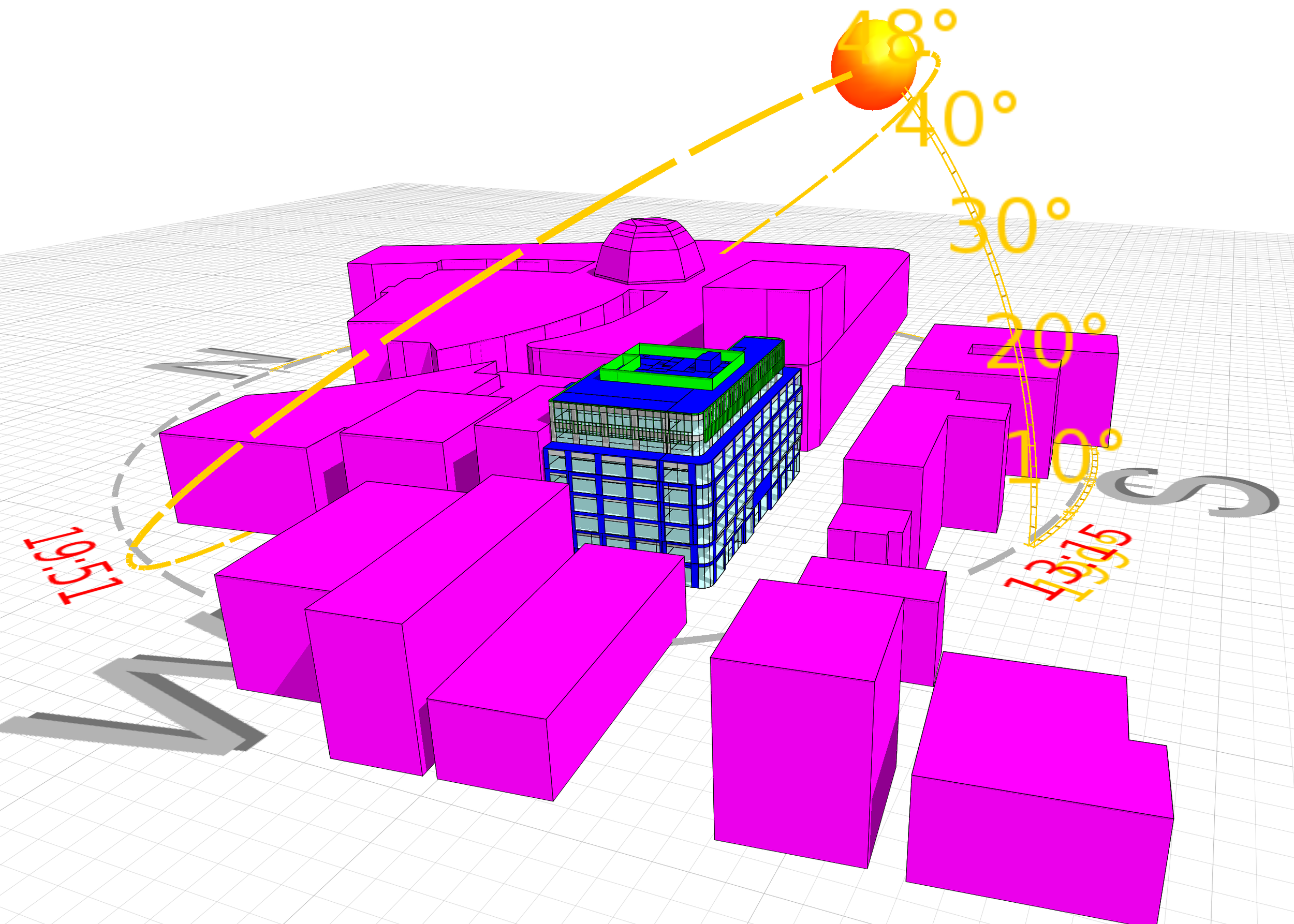
This thorough guide is designed to shed light on the different aspects of daylight analysis, examining its significance from the conceptual design phase to the final execution. By examining methodologies, tools, and best practices, we will discuss how proper daylight management can lead to more healthy, more productive environments while contributing to sustainable objectives such as LEED accreditation and lower energy expenses. No matter if you are an experienced architect or a novice to the field, this study of the dynamics of daylight will provide you with the knowledge needed to utilize natural light in your architectural projects.
Grasping Natural Light Study
Daylight analysis is a vital process for modern architects, concentrating on how sunlight illumination penetrates and coexists with buildings. By analyzing light patterns, architects can design spaces that optimize natural light while minimizing glare and overheating. This examination is essential not only for aesthetic value but also for enhancing energy efficiency and occupant comfort. A thorough grasp of natural light investigation allows architects to develop environments that utilize the advantages of sunlight throughout the year.
In practice, daylight study involves multiple techniques and tools to assess light accessibility within a location. Architects may use simulator tools and modeling software to assess factors like daylight factor, spatial daylight autonomy, and annual sunlight exposure. These indicators provide information into how effectively natural light can illuminate interiors, informing decisions about window positioning, glazing types, and building orientation. This data-driven approach promotes sustainable practices and corresponds with energy-efficient design principles.
Integrating natural light analysis early in the planning process is critical for optimizing visual comfort and reducing reliance on man-made lighting. By grasping the interplay between architecture and daylight, architects can create healthier indoor environments that enhance occupants' comfort. Furthermore, effective daylighting strategies are essential for fulfilling various sustainability standards such as LEED and BREEAM, underscoring the role of natural light analysis in responsible architectural design.
Optimizing Energy Effectiveness Using Natural Light
Incorporating daylight analysis into the design of buildings is a crucial factor in enhancing energy efficiency, especially in business properties. By maximizing the use of natural light, architects can significantly reduce dependence on artificial lighting. This not only reduces energy consumption but also reduces the carbon footprint of the building. By conducting careful analysis, designers can detect areas where natural lighting can effectively light up spaces, allowing for a more sustainable approach to energy management.
Furthermore, daylight analysis enables architects to create environments that balance light access and heat efficiency. Considering elements like window placement, glazing types, and shade techniques, it is feasible to utilize natural light while minimizing heat increase and glare. This approach promotes well-being for people and tends to reduce the load on HVAC units, resulting in additional energy savings. The thoughtful coordination of natural light elements can lead to buildings that naturally maintain a comfortable climate, enhancing overall energy effectiveness.
Ultimately, the financial implications of daylight analysis are notable. By cutting energy costs associated with lighting and temperature regulation, buildings designed with efficient daylighting strategies can demonstrate a robust ROI. Daylight Analysis Yeovil Somerset -efficient designs not only draw in tenants and buyers due to reduced operating costs, but they also aid sustainable development goals. In a market increasingly focused on eco-friendliness, enhancing energy effectiveness through daylight becomes more than an advantage but a key business strategy.
Natural Light Simulation Techniques & Tools
Natural light modeling is a critical aspect of architectural design, enabling architects to anticipate how daylight will engage with a built environment over time. Various methods such as raycasting and global illumination are frequently utilized to model light behavior in environments. Ray tracing traces the paths of individual light rays to understand how light bounces and scatters in a room, providing detailed insights into lighting and shadow patterns. Global illumination, on the other hand, focuses on the surface interactions of light, offering a comprehensive view of how light is spread within a particular space, considering both direct and indirect lighting.
There are several advanced tools available for conducting daylight simulations effectively. Daylight Analysis Wells Somerset stands out as a highly regarded free software that allows for precise control and analysis of light in architectural applications. Daylight Analysis Wells Somerset and BIM Insight are other tools that work seamlessly with building information modeling (BIM), providing intuitive interfaces and workflows for daylight analysis. Each of these tools offers distinct capabilities, such as energy analysis, climate analysis, and real-time feedback, assisting architects in making informed design choices that enhance natural light utilization.
Using these light modeling software early in the design process is essential for maximizing energy efficiency and occupant comfort. By analyzing factors like light factor, spatial daylight autonomy, and yearly sunlight exposure, architects can create designs that reduce reliance on artificial lighting while maximizing well-being through natural light. Leveraging these simulations not only meets the growing demand for eco-friendly architecture but also contributes to the overall aesthetic and functional quality of the built environment.